



Why Are Gutters Essential for Roof Health in Traverse City, MI?
Gutters play an active role in maintaining the overall integrity of a roof, especially in a climate like Traverse City, MI, where precipitation and seasonal changes are significant. Their main job is to channel water away from the roof and foundation, helping prevent leaks, rot, and costly structural damage.
While many assume gutters are mainly for keeping water away from the yard, they are actually tightly integrated into the life span and condition of the entire roofing system. Neglecting gutters can lead to issues that affect not just the roof, but siding, landscaping, and the home’s foundation.
How Do Gutters Work Together With the Roofing System?
Gutters attach to the eaves of a roof, collecting rain or melting snow as it flows off the shingles. Through a connected system of troughs and downspouts, this water is then safely diverted several feet away from the home. In Traverse City’s climate, where snowmelt and spring rains are intense, this process helps:
- Reduce the risk of water pooling at the roof’s edge
- Prevent ice dams from forming and backing up under shingles
- Direct moisture away from foundations that could otherwise become saturated
Gutters are often overlooked as a key “connector” within a broader network: They serve as the final step in guiding water from sky to ground without touching vulnerable parts of the structure.
What Can Happen If Gutters Are Damaged or Clogged?
Even well-installed gutters need to be checked, especially during autumn leaf drop and after heavy storms. Gutters that are clogged with leaves, needles, shingle grit, or ice lose their ability to move water away from the house. In Traverse City, that often leads to:
- Water spilling over the side and eroding landscaping
- Soffit, fascia, and deck rot, especially on shaded sides of the house
- Increased ice damming when melting snow is trapped behind clogged gutters
- Moisture seeping under shingles, especially after freeze-thaw cycles
- Staining or mildew on siding due to repeated splashback
Many homeowners discover problems only after noticing water near the foundation or seeing peeling paint high on the exterior wall. In severe cases where gutters pull away or break, the exposed roof edge can deteriorate rapidly without the intended drainage.
How Do Local Climate and Seasonal Changes Affect Gutters?
Traverse City’s four-season climate—including heavy lake-effect snow, spring thaw, and unpredictable summer downpours—puts unique demands on gutters and roofing. Ice and snow build-up are common in the winter, and thawing means a lot of water moving quickly over gutters in spring.
Key seasonal considerations:
- Winter: Snow and ice may weigh down and deform gutters if not cleaned. Ice dams can form above clogged or poorly sloped gutters.
- Spring: Melting snow and rain increase the volume of water. Any existing clogs become obvious through overflow.
- Autumn: Falling leaves and needles are a top reason for clogs. Gutter protection or frequent clearing may be needed.
- Summer: Violent thunderstorms can expose weaknesses in older or undersized gutter systems.
Local habits like leaving trees close to the roofline can make regular cleaning even more important, especially for older homes or those in established neighborhoods with mature landscaping.
What Maintenance Does a Typical Household Need to Perform?
Regular gutter maintenance is straightforward but easy to put off. For most area households, the following tasks are key:
- Visual inspections at least twice yearly, ideally in late spring and after leaf drop
- Clearing out leaves, twigs, and visible debris, paying special attention to downspouts
- Ensuring gutters are firmly attached to fascia boards and not sagging
- Checking that water flows freely through the system during rain, and nowhere pools along the foundation
- Looking for telltale signs like peeling paint, moldy walls, or soil erosion under downspouts
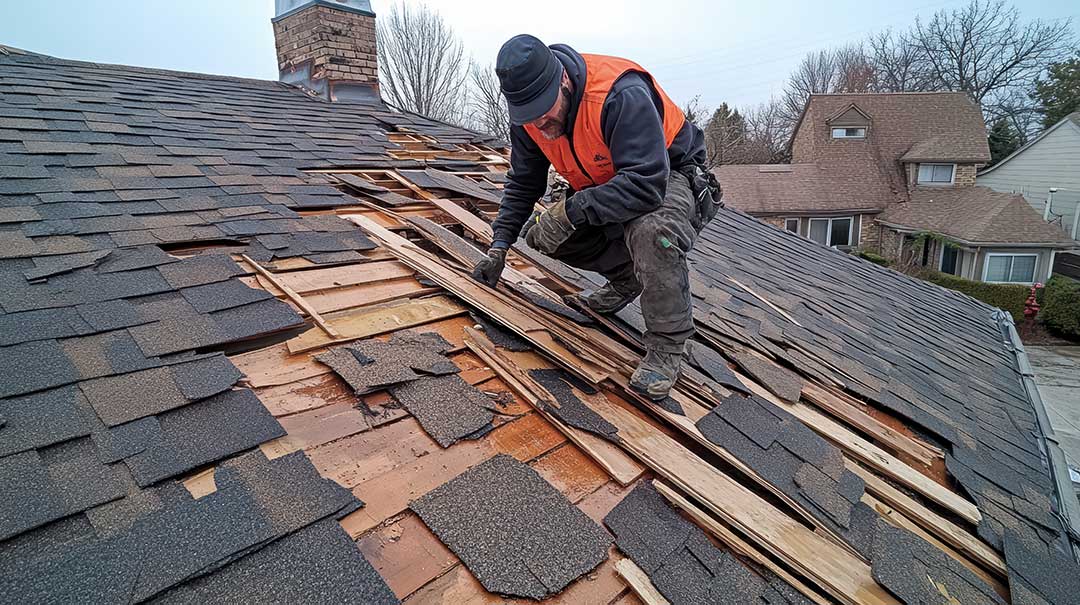
Simple hand tools—like a small scoop, gardening gloves, and a hose—are usually sufficient. Larger jobs, such as removing ice dams or repairing sagging sections, may warrant caution due to roof height and slip hazards.
What Are Common Misconceptions About Gutters and Roofing?
Some homeowners believe that gutters are optional, or that their main function is for landscaping. In fact, gutters are a critical line of defense against roofing and foundation damage. Other misconceptions include:
- “Gutters cause ice dams.” It’s actually poor insulation and ventilation combined with clogged gutters that lead to ice dams—not the gutters themselves.
- “All gutters are the same.” Materials (like aluminum vs. steel), sizes, and installation quality vary greatly and affect performance in Traverse City’s weather.
- “Gutters only matter if you have a basement.” While protecting the foundation is crucial, gutter issues can harm attics, walls, and even upper floors.
When Should Professional Help Be Considered?
Routine cleaning and inspection can be done safely by many homeowners. However, if gutters are several stories high, damaged, or appear to have caused visible rot or water infiltration, trained assistance may be required to safely repair structural components. Major ice buildup, fungal growth, or widespread sagging could signal underlying roof or support issues.
Does Gutter Performance Change With Different Roofing Types?
Yes. While most modern shingle or metal roofs in Traverse City work well with standard gutter systems, homes with low pitch or unique materials (like certain historic properties) may need specialty solutions to ensure water flows properly. Customizations such as oversized downspouts or leaf guards are sometimes used to address specific site challenges or heavy tree cover.
Ultimately, a well-maintained gutter system extends the life of both the roof and the home itself, making routine attention a practical investment for property owners in this climate.


