

How Vulnerable Are Local Roofs During Hurricane Season?
Roofs in Traverse City, MI typically endure heavy snow and wind during winter, but hurricane season presents a unique set of challenges. While hurricanes here are rare, remnants of tropical storms can bring powerful winds and torrential rain capable of damaging even well-maintained roofs. Local roofs, especially those with older shingles or underlying wear, can be unexpectedly vulnerable. A quick assessment every spring—before summer storms arrive—helps area homeowners identify potential problems early.
What Should Be Inspected on Your Roof Before Storms Arrive?
A thorough visual inspection is the first step for area residents. Look for:
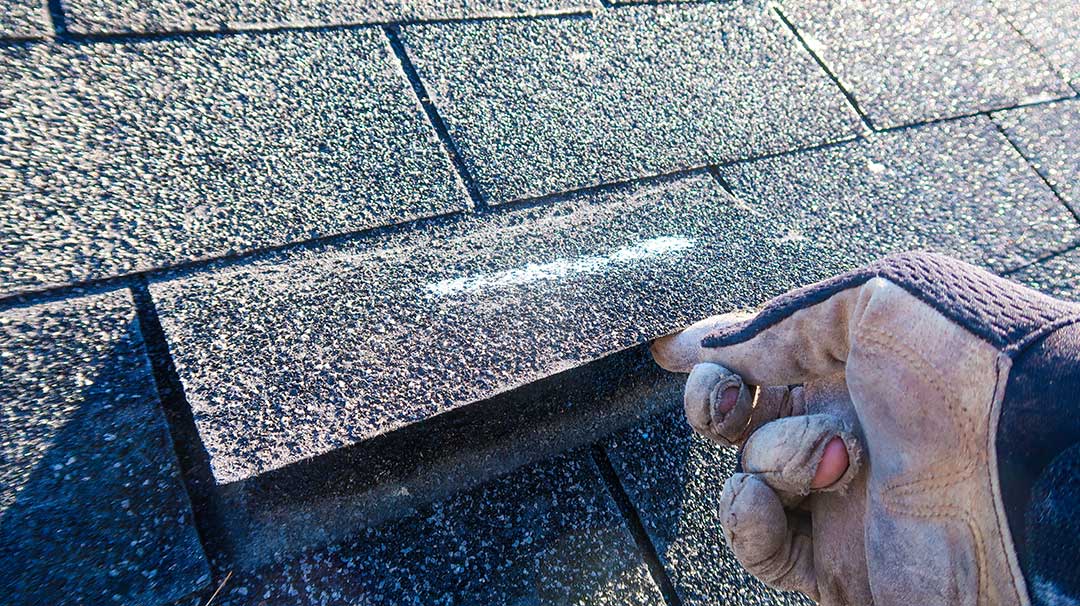
- Missing, loose, or damaged shingles
- Visible gaps or exposed nails
- Sagging, ponding, or soft areas
- Moss or algae, which can hide underlying weaknesses
Most problems appear along eaves, near flashing, or at roof valleys. Binoculars or a camera on a long zoom can be used for a ground-level check, which is often safer than climbing a ladder.
Do Gutters and Downspouts Impact Roof Safety During Severe Weather?
Gutters and downspouts play a critical role in directing water away from your home’s foundation and roofline. Blocked channels can lead to overflowing water, which increases the chance of leaks, ice dams later in the year, and even foundation damage. Cleaning gutters at least twice a year—in late spring and late fall—helps ensure stormwater moves safely away during heavy downpours.
Can Small Repairs Prevent Bigger Issues?
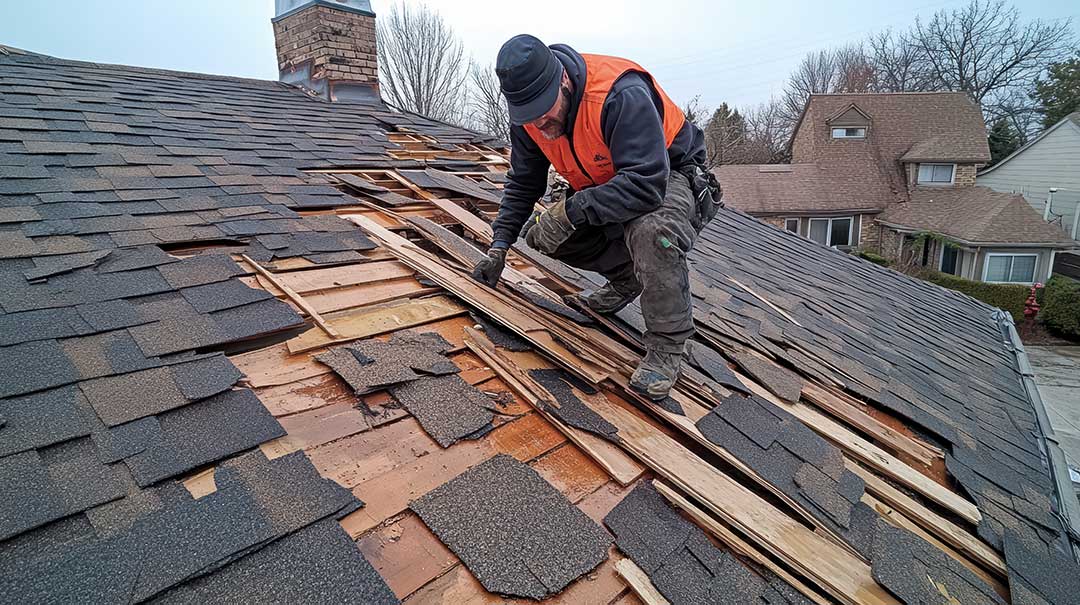
Addressing minor roofing issues early, such as replacing a few cracked or missing shingles, can often prevent more extensive roof failure during high winds. For those comfortable with basic home repairs, using roofing cement or specially designed replacement shingles for isolated spots is usually effective. However, never attempt repairs in unsafe conditions or on steep or slippery roofs—some issues are best left unaddressed until it’s safe.
How Can Homeowners Secure Roof Structures Ahead of Severe Wind?
In addition to visible repairs, the roof structure itself needs attention. Hurricane-force winds can create uplift that may loosen roof decking or even remove sections of roofing. Simple steps to secure a typical residential roof include:
- Using hurricane straps or clips in attics to reinforce roof-to-wall connections
- Checking for loose rafters or trusses, and securing them where needed
- Verifying that attic vents are adequately fastened and not vulnerable to wind-driven rain
While not always visible from the exterior, these reinforcements help protect the home’s structure under extreme conditions.

Are There Local Roofing Materials or Designs That Offer Extra Protection?
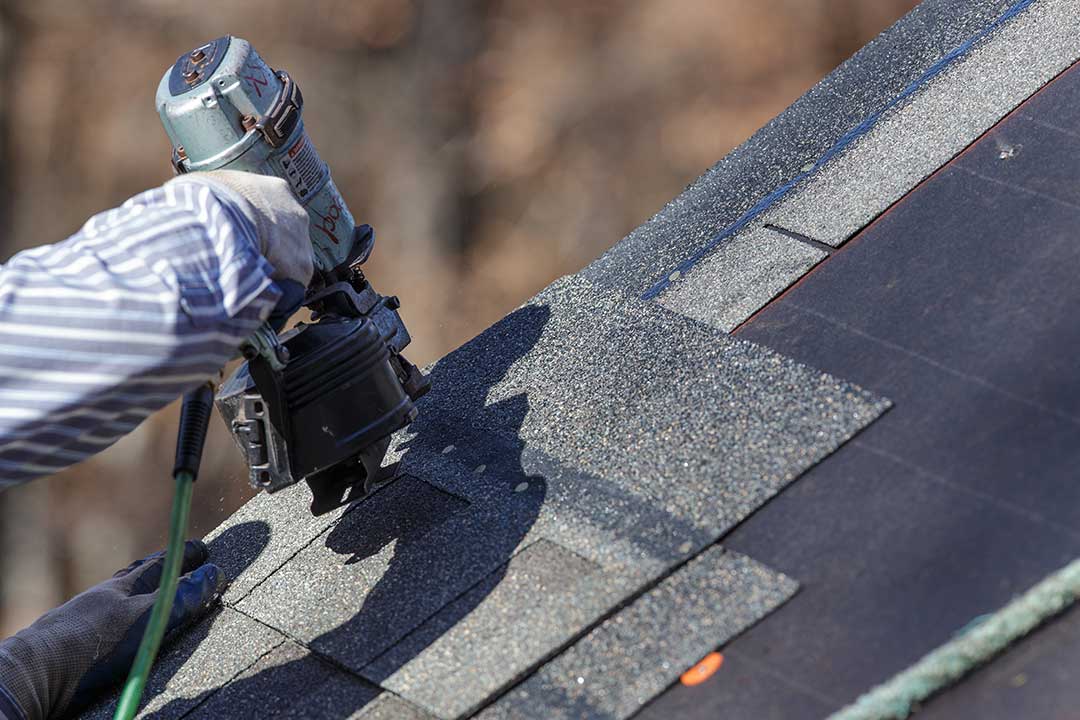
In areas like Traverse City where both winter storms and the occasional severe summer storm are concerns, certain shingle styles and underlayments perform better. Architectural shingles, designed to resist high winds, and synthetic underlayments that shed water more effectively, can offer added confidence. Metal roofs—properly secured—generally withstand wind and water better than older three-tab shingles. Homeowners planning to replace their roofing often choose materials rated for higher wind speeds and heavy rain, as suited to local climate extremes.
What Other Seasonal Factors Affect Roof Readiness for Storms?
Homeowners sometimes overlook how overhanging trees and debris can affect roof safety. Trimming close branches before hurricane season not only prevents broken limbs from damaging shingles but also reduces organic debris, which can trap moisture and lead to decay. It’s also wise to ensure that satellite dishes, vents, and other rooftop fixtures are tightly secured and that roof paths are cleared of any objects that could become airborne in high winds.
How Can You Safely Inspect and Maintain Your Roof?
Roof inspections don’t always require climbing. For most area homes, walking around the exterior with binoculars and checking the attic for signs of daylight or water intrusion is sufficient between professional inspections. If you must use a ladder, always do so on stable, dry ground and avoid working alone. Early morning or late afternoon light is best for spotting shingle irregularities or dark streaks that indicate water damage.
What Are Signs Immediate Attention Is Needed?
Certain roof problems should be addressed as soon as possible, regardless of season:
- Active leaks or water staining inside the attic or on ceilings
- Multiple missing or curling shingles after a storm
- Large areas of sagging roofline
Ignoring these warning signs can quickly lead to more serious damage during hurricane season, making the home more vulnerable to both wind and water.