

Why Prepare Your Roof for Winter in Traverse City, MI?
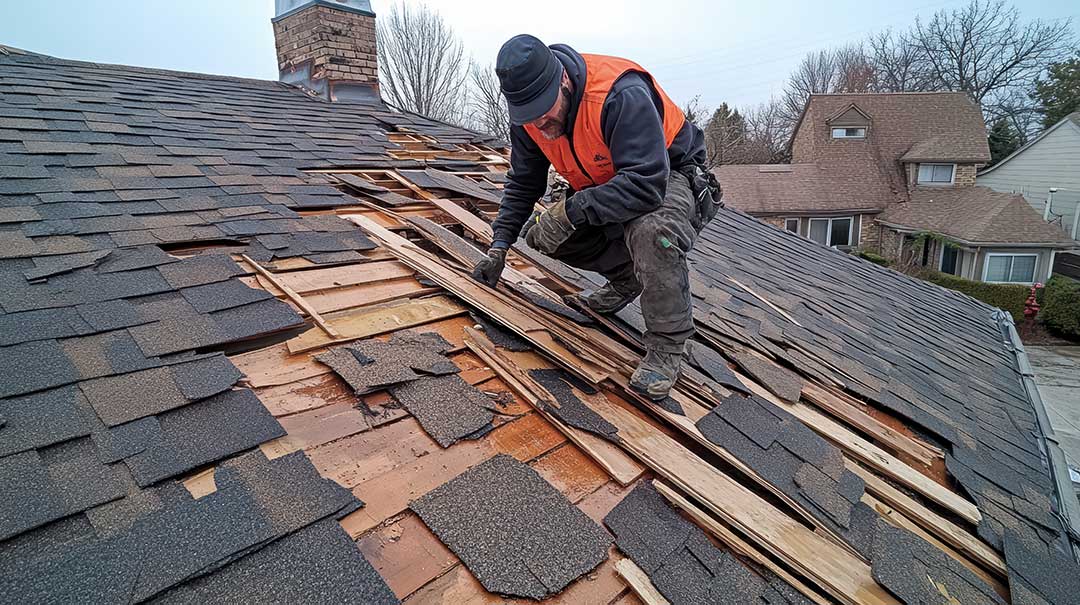
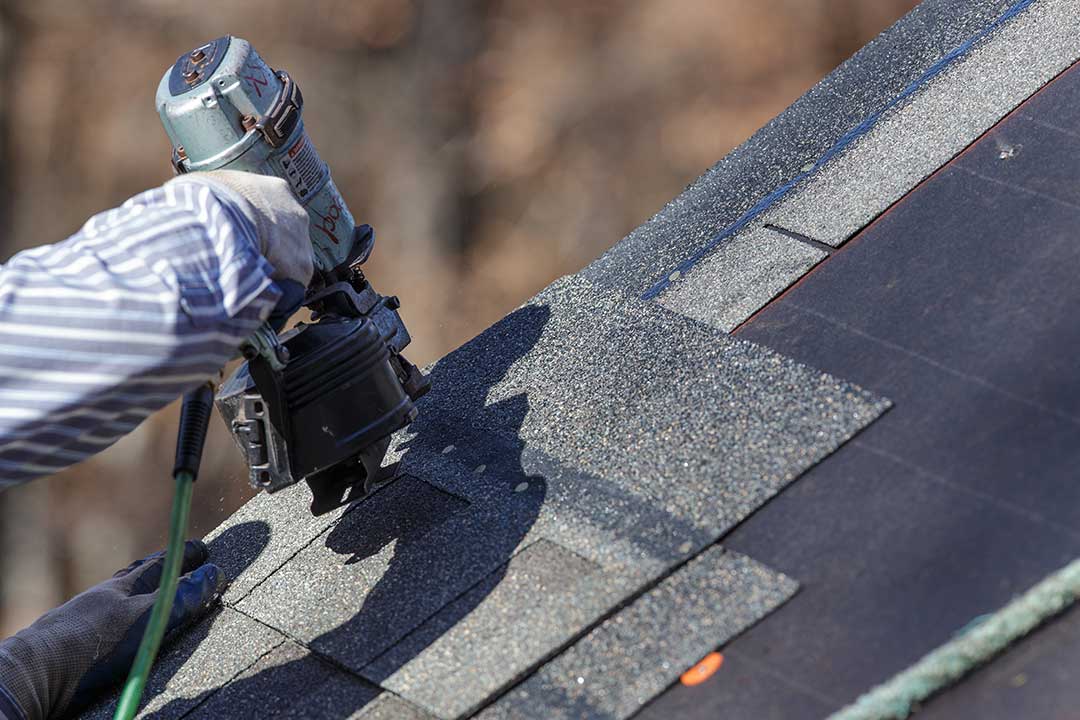
Roof preparation ahead of winter in Traverse City, MI helps prevent leaks, ice dams, and costly repairs caused by snow, ice, and freezing temperatures. Given the significant snowfall and cold snaps that are typical each winter, even small vulnerabilities can lead to water intrusion or structural damage if left unaddressed.
What Local Weather Patterns Should Be Considered?
Traverse City residents experience heavy, wet snow, frequent freeze-thaw cycles, and occasional high winds. These conditions lead to an increased risk of:
- Ice dams forming along eaves where melting snow refreezes
- Snow accumulation placing weight strain on the roof structure
- Wind-driven snow infiltrating damaged or missing shingles
Reviewing how past winters have affected homes in the community can help anticipate problem areas, such as north-facing slopes where snow lingers.
How Does Gutter Maintenance Impact Roof Health?
Clogged gutters and downspouts trap melting snow, increasing the risk of ice dams and water backing up under roofing materials. Start by removing leaves, pine needles, and any windblown debris before the first hard freeze. Tips for thorough cleaning:
- Clear all gutters and check that water runs freely through downspouts
- Ensure downspouts direct meltwater several feet away from the foundation
- Make repairs to loose or sagging gutters
Proper gutter care helps meltwater flow off the roof rather than refreezing dangerously along the edge.
Are Roof Inspections Necessary Before Snowfall?
Checking the roof annually is a smart preventative measure, especially before winter. While walking on the roof is not recommended due to safety risks, a careful ground inspection with binoculars or a camera zoom reveals common issues:
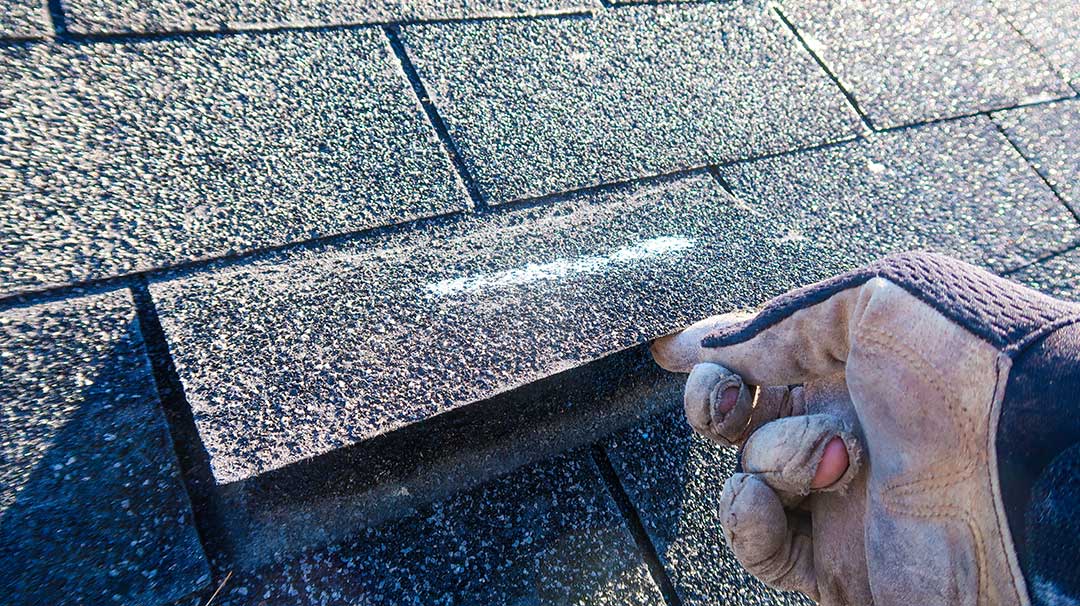
- Curling, cracked, or missing shingles
- Exposed or rusted fasteners
- Damaged or missing flashing around chimneys, skylights, and vents
Identifying and addressing small issues before freezing weather can prevent major repairs during or after the season.
What Are Commonly Overlooked Steps in Preparation?
Attic ventilation and insulation often get overlooked, yet both are vital for roof health during local winters. Proper attic insulation keeps heated air inside the home, reducing attic temperature swings that contribute to ice dam development. At the same time:
- Unblock attic vents to allow cold air circulation (reducing freeze-thaw stress)
- Ensure insulation is evenly distributed without blocking eaves
This balance protects the roof from both inside heat loss and external weather extremes.
Should Overhanging Branches Be Trimmed?
Branches hanging over the roof can drop leaves, twigs, or even large limbs during winter storms. This plant debris leads to gutter clogging and can cause physical damage during ice or high winds. Cutting back overhanging limbs reduces these risks. For larger trees or branches near power lines, safety protocols must be followed to avoid injury or service disruption.
How Can Residents Safely Remove Roof Debris?
Safety is essential when removing leaves, twigs, or moss from the roof surface. Homeowners should only access single-story rooftops if comfortable and able to use a secure ladder:
- Use a roof rake for snow and debris—never a metal shovel, which can damage shingles
- Remove debris gently to avoid dislodging roofing material
- Avoid getting on the roof once it’s icy or snow-covered
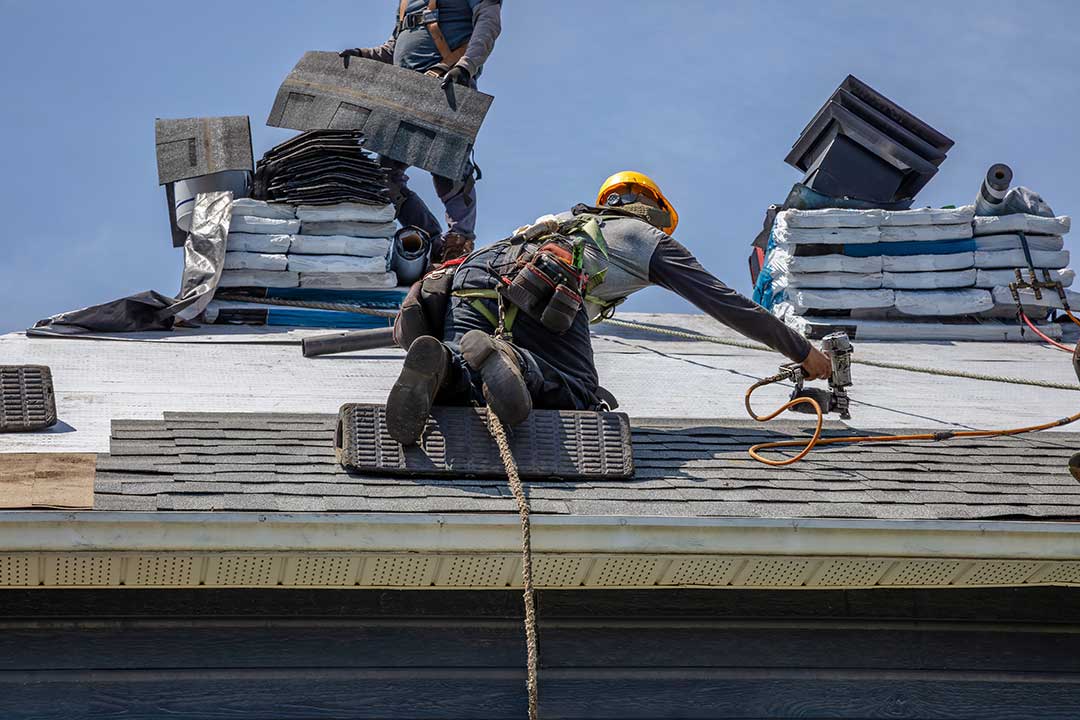
For two-story homes or steep pitches, professional assistance may be the safest choice.
Is It Worth Sealing Flashing and Penetrations?
Before winter, sealing areas where pipes, vents, or skylights penetrate the roof is vital. Deteriorated caulk or flashing allows melting snow and ice to seep inside:
- Inspect for cracked or peeling sealant around all penetrations
- Apply roofing-grade, weather-resistant sealant where needed
- Check the condition of chimney caps and brickwork for visible gaps
These proactive steps reduce the chance of unwanted water incursion as snow piles up.
How to Prevent Ice Dams Without Special Equipment
The freeze-thaw cycles common in local winters make ice dams a routine concern. While heated cables and other systems exist, basic prevention starts with:
- Ensuring warm air is not leaking into the attic from the living space
- Keeping gutters and downspouts clear to promote quick snow melt drainage
- Carefully using a roof rake to remove snow buildup from the lower three to four feet of the roof after large storms
Ice dams are less likely to form when both the interior and exterior factors are managed.
What Should Be Avoided During DIY Preparation?
Mistakes can cause more harm than good. Area residents should avoid:
- Using rock salt or de-icers on shingles—they may accelerate deterioration
- Applying tar or patch material in cold, damp weather, which rarely adheres properly
- Trying to chip ice off the roof, which risks damaging materials or harming oneself
- Ignoring attic moisture, which can lead to mold and rot if left unchecked
Careful, preventive work in the fall offers the best protection against winter roof problems.