

What Is a Roof Warranty, and Why Does It Matter?
A roof warranty is a written guarantee that promises certain repairs or replacements will be covered under specific conditions for a set period. For residents of Traverse City, understanding the details can prevent costly surprises down the road. Warranties help give peace of mind but often contain limitations that can catch homeowners off guard.
Usually, warranties are broken into two major types: material (or manufacturer) warranties and workmanship warranties. Both types protect homeowners in different ways.
What Types of Roof Warranties Are Commonly Offered?
Two main categories of roof warranties are available for most residential properties:
- Manufacturer warranties* cover defects in roofing materials like shingles, underlayment, or flashing.
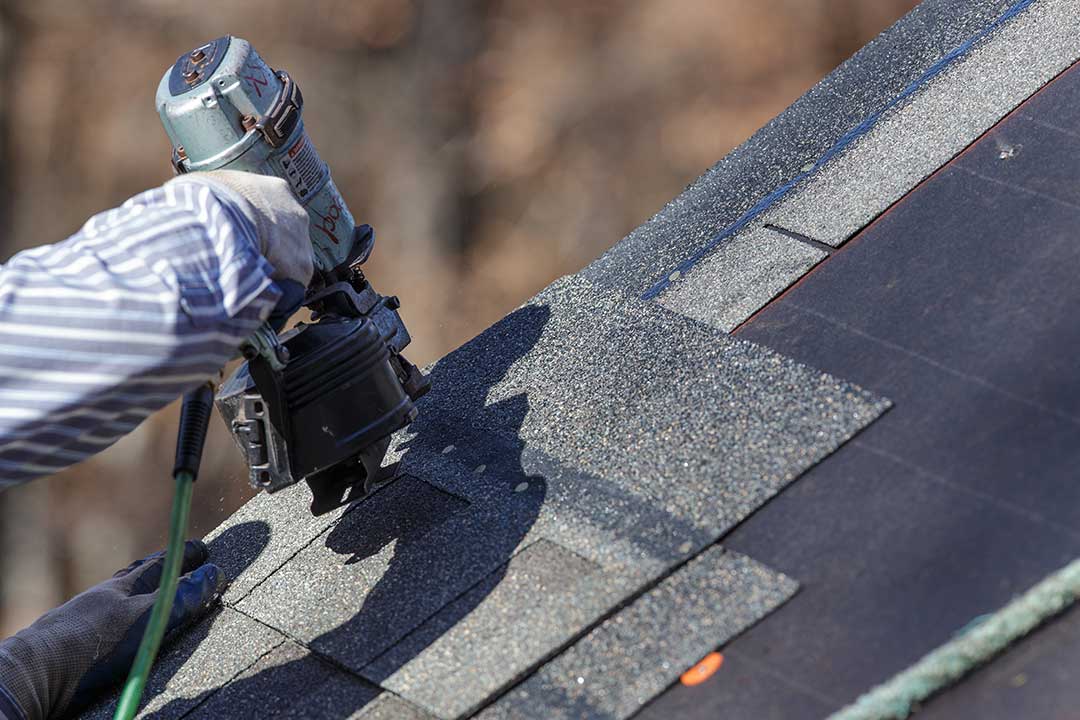
- *Workmanship warranties* are offered by installers and cover errors related to how the roof was put on.
Some newer systems also offer extended or upgraded warranties if specific installation methods are used, although these often require the installer to be certified by the manufacturer.
How Long Do Roof Warranties Typically Last?
Standard manufacturer warranties for asphalt shingles typically last 20–30 years. Some higher-end products claim “lifetime” coverage, which is usually defined as the expected duration you own your home. Workmanship warranties from installers are usually much shorter—often ranging between 1 and 10 years—since most installation problems reveal themselves early.
In Traverse City, roofs endure harsh winters, ice dams, and freeze-thaw cycles, all of which can impact both the likelihood of warranty claims and the realistic lifespan of a roofing system.
What Exactly Is Covered (and What Isn’t)?
A roof warranty almost never covers every possible problem. Most policies only apply to very specific defects or failures:
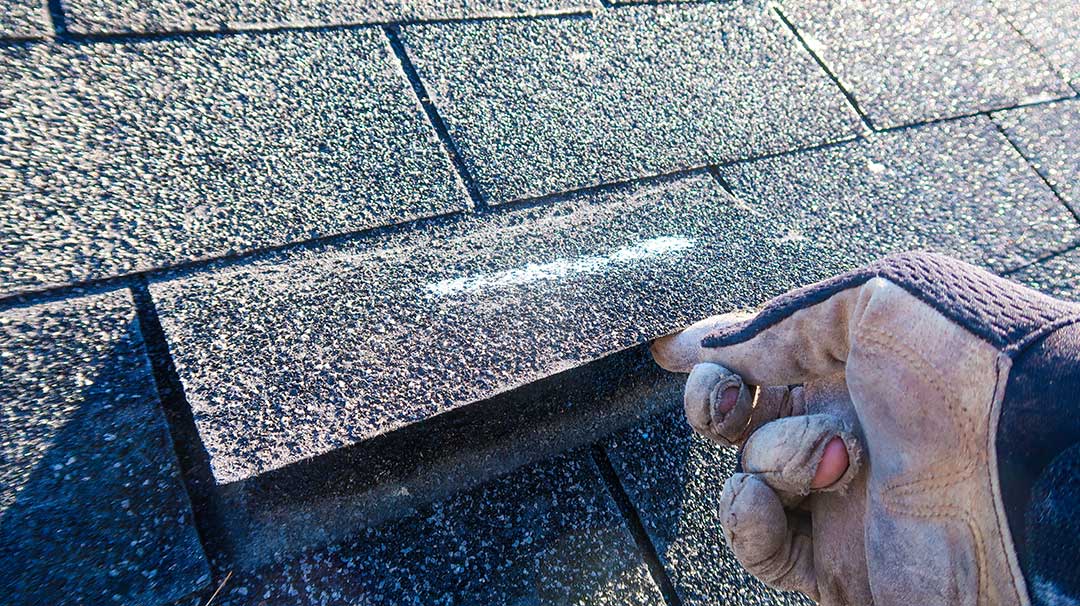
- *Material warranty* typically covers premature cracking, granule loss, blistering, or splitting of shingles caused by manufacturing defects.
- *Workmanship warranty* usually covers leaks, poor flashing, or other problems directly traceable to improper installation.
Problems not covered often include:
- Storm damage from wind, hail, or falling trees
- Damage caused by walking on the roof or hanging holiday lights
- Issues resulting from improper attic ventilation or ice damming—a seasonal concern for the community
- Problems caused by mold, moss, or debris accumulation
Misunderstanding what’s covered often leads to disappointment. For example, in the city, ice damming damage is a frequent roofing complaint, but most warranties exclude it.
How Do You Keep a Roof Warranty Valid?
Warranty coverage can be voided if certain conditions aren’t met. Common requirements include:
- *Prompt registration: Most manufacturer warranties require homeowners to register the product soon after installation.
- *Professional installation:* Only certified installers are allowed for some extended warranties.
- *Regular maintenance:* Most documents specify that basic roof upkeep must be performed. In Traverse City, this could mean clearing gutters or removing excess snow, since ice buildup is common.
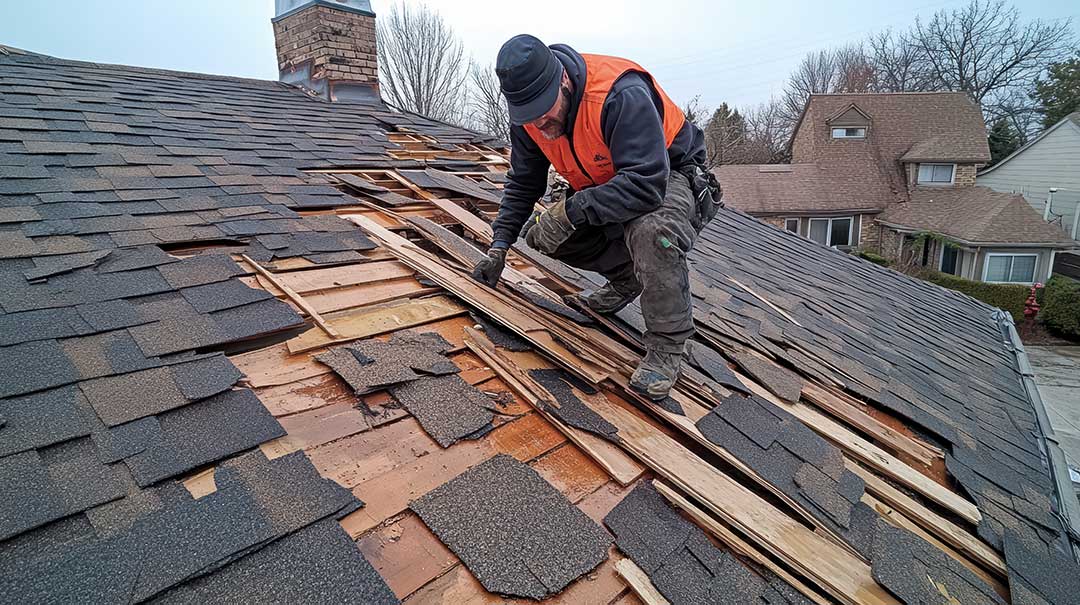
- *Timely repairs:* Delaying necessary repairs can lead to voided coverage if small issues escalate.
Homeowners in the region often lose warranty coverage simply by missing documentation or failing to clear heavy snow that threatens roof integrity.
Are Transferable Warranties a Real Benefit When Selling a Home?
Some roof warranties can be transferred to the next homeowner, which can be attractive to prospective buyers. However, most transfer policies come with conditions:
- There may be a transfer fee.
- Deadlines for reporting the sale and new ownership are usually strict.
- Some coverage may be reduced after transfer (for example, “lifetime” protection might switch to a specific number of years).
Locally, this feature can add resale value to homes, but only if paperwork and deadlines are handled with care.
What Are Common Misunderstandings About Roof Warranties?
There are a few widespread misconceptions among area residents:
- *Belief that all leaks are covered:* Leaks are only covered if caused by a defect specifically outlined in the warranty.
- *Assuming storm damage is included:* Wind, hail, and tree-related issues are rarely covered in a standard warranty. Homeowners insurance policies typically handle these events.
- *Thinking manufacturer warranties cover defective installation:* These warranties only address material flaws, not improper installation unless bundled under a specific enhanced program.
Understanding these distinctions is crucial, especially since local seasonal extremes can cause damage not always covered by warranty terms.
How Should Area Homeowners Document and Track Their Roof Warranty?
Careful documentation is key for area households. Save all paperwork related to your roofing project—including the warranty certificate, proof of purchase, installation details, and records of maintenance or repairs. Taking annual photos of the roof’s condition can help substantiate any future claims, especially after severe winter storms. Keep digital copies somewhere safe but accessible. If concerns ever arise, being able to quickly provide proof can make interactions with manufacturers or installers smoother and more successful.
What Steps Should Residents Take in Case of a Roof Warranty Issue?
If a potential warranty-covered issue emerges, act quickly: 1. Review the warranty document to ensure the problem is covered. 2. Gather records of installation, maintenance, and any previous repairs. 3. Contact the warranty provider listed on your paperwork (which may be the manufacturer or the installer, depending on the type of warranty). 4. Document the issue with detailed photos, including date stamps and broad and close-up shots to show the extent of damage. 5. Avoid attempting repairs before an official inspection, as unauthorized fixes might void your coverage. In a climate where freeze-thaw and wind events are common, documenting immediate post-storm conditions with photos is especially helpful.
Why Local Conditions Matter for Roof Warranties
Traverse City’s climate—marked by heavy snowfall, thaw cycles, humidity, and lake effect weather—creates conditions that can challenge even robust roofing systems. These factors may not only impact the eligibility for certain warranties but also shape what maintenance is required to keep protections valid. Understanding these local elements can help prevent denied claims and ensure lasting roof performance in the area.