

Living in Traverse City, Michigan, offers a unique blend of beautiful seasons, scenic lakeshores, and a community that values quality in their homes. When it comes to your house, one of the most significant investments you’ll make is in your roof. The roof not only keeps your family safe and dry, but it also enhances your home’s curb appeal and energy efficiency. So, how long can you expect your roof to last in our Northern Michigan climate? Let’s break it down.
Understanding Factors That Affect Roof Lifespan
The average lifespan of a roof varies based on several factors. Here in Traverse City, where our weather swings from heavy lake-effect snow in winter to humid summers, your roofing material and installation quality are especially crucial. Here are the main factors to consider:
-
-
- Type of roofing material
- Quality of installation
- Local climate conditions
- Maintenance and repairs
- Roof ventilation and insulation
-
Each of these influences how your roof weathers Traverse City’s seasons.
Common Roofing Materials and Their Average Lifespans
Let’s look at some common roofing materials found in Northern Michigan homes and what you can expect from each:
*Asphalt Shingles*
This is the most popular choice in our area due to cost-effectiveness and reliable protection.
-
-
- Standard 3-tab asphalt shingles last about 15-20 years
- Architectural asphalt shingles can last 20-30 years
-
However, the freeze-thaw cycles, snow load, and moisture from Lake Michigan can sometimes shorten this expectancy.
*Metal Roofing*
Increasingly popular in the Traverse City region, metal roofs are favored for their durability and ability to shed snow easily.
-
-
- Standing seam and metal panels typically last between 40-70 years
-
Metal roofing holds up well against Michigan’s severe winters, heavy rains, and strong winds.
*Wood Shakes and Shingles*
You’ll find some older or historic homes with cedar shakes or shingles.
-
-
- Wood shingles and shakes can last 20-40 years, depending on maintenance and exposure
-
Moisture and moss from our humid climate can reduce these numbers unless the wood is regularly treated.
*Clay or Concrete Tiles*
Less common in Michigan due to heavy weight and snow accumulation, but they do exist.
-
-
- Clay and concrete tiles offer lifespans of 50 years or more
-
Still, their cost and need for reinforced support structures make them rare in Traverse City’s residential landscape.
Traverse City’s Weather: An Extra Challenge
To understand roof longevity here, you have to consider local weather patterns:
-
-
- Snow: Heavy, wet snow can accumulate on rooftops, adding weight and potentially leading to leaks if melting snow refreezes in gutters (ice dams).
- Wind: Strong winds can rip off shingles or cause them to curl, leading to faster wear.
- Rain and Humidity: Frequent rain and higher summer humidity can cause mold, mildew, and shingle granule loss.
-
Roofs that aren’t properly ventilated or insulated can degrade more quickly, especially in the fluctuating Traverse City climate.
Signs Your Roof Is Nearing the End of Its Life
As a homeowner, it helps to know what to look for as your roof ages. If you see any of these signs, it may be time for an inspection:
-
- Shingle edges curling or cracking
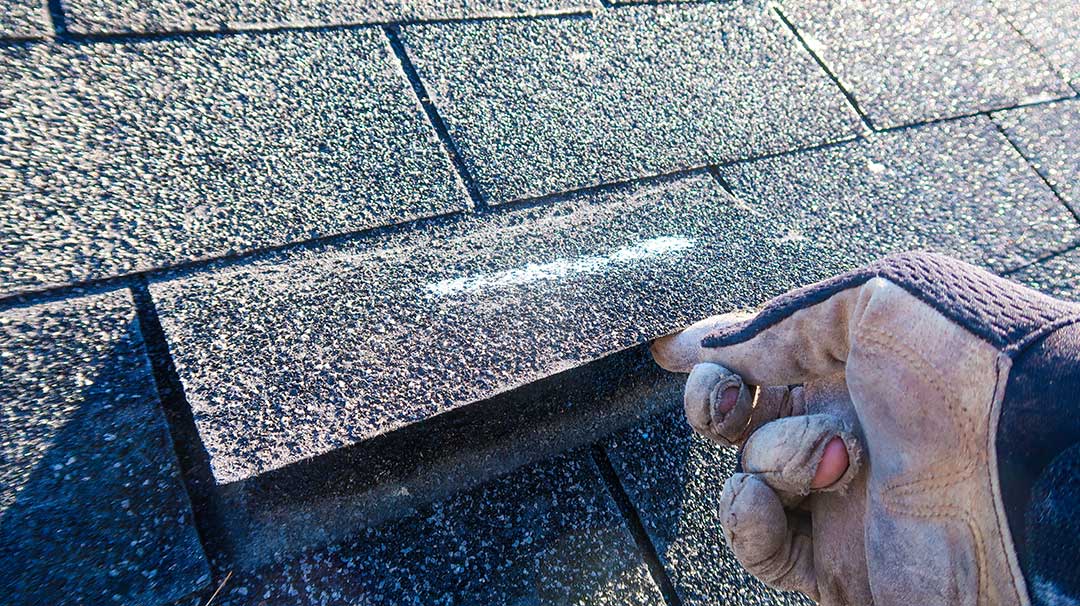
- Bald spots where granules are missing
- Rust or corrosion on flashing
- Sagging roof deck
- Persistent leaks or water stains in your attic
Proactive maintenance and addressing small issues before they grow can extend your roof’s lifespan—even in a place as weather-challenging as Traverse City.
Tips to Extend the Life of Your Roof in Traverse City
Want to get the most out of your investment? Follow these best practices:
-
- Seasonal Inspections: Check your roof each spring and fall, particularly after storms or heavy snowfall.
- Clean Gutters: Prevent ice dams and water backup by keeping gutters clear.
- Trim Trees: Overhanging branches can damage shingles during windstorms or deposit extra organic material that encourages moss growth.
- Prompt Repairs: Don’t delay fixing loose or missing shingles—small problems can quickly escalate.
- Ventilation and Insulation: Proper attic ventilation helps control temperature and moisture year-round.
Regular maintenance can add years to your roof’s life, giving you more peace of mind no matter the season.
When Is It Time To Replace?
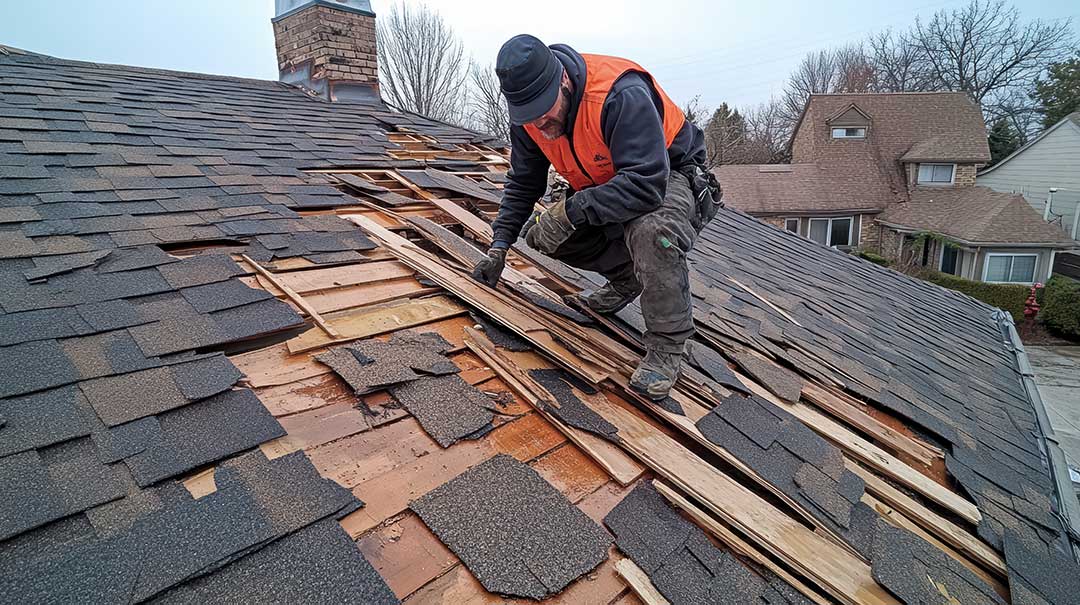
Even with great care, every roof eventually needs replacing. If your roof is within five years of its typical lifespan, or you’re experiencing frequent problems, it’s wise to start budgeting and consulting local Traverse City roofing contractors for professional advice. Choosing modern, weather-resistant materials and working with experienced, licensed installers will provide your home with a roof that stands up to Michigan’s demanding climate.
Final Thoughts
The average roof lifespan in Traverse City depends on material, installation, maintenance, and—most importantly—our local weather. Asphalt shingles typically serve well for 15-30 years, while metal roofs can reach 40 years or more. With regular maintenance and prompt repairs, you can help your roof achieve its fullest life, all while enjoying the beautiful four seasons of Northern Michigan in comfort and security.